How to Choose the Right LED Lights for Your Home
Most people pick LED bulbs by wattage alone and end up with a room that feels either clinical or too dim. Wattage only tells you power draw, not brightness — for that you want lumens. A 9W LED putting out 800+ lumens replaces an old 60W incandescent; check the lumen figure on the box before comparing prices.
Match the colour temperature to the room
Colour temperature is measured in Kelvin (K) and changes the mood of a space. Warm white (2700–3000K) suits bedrooms and living rooms — it's relaxing and close to old incandescent light. Neutral white (4000K) works well in kitchens and bathrooms. Cool/daylight white (5000–6500K) is best for study rooms, garages and workspaces where alertness and detail matter more than ambience.
COB vs SMD — which one for which fixture
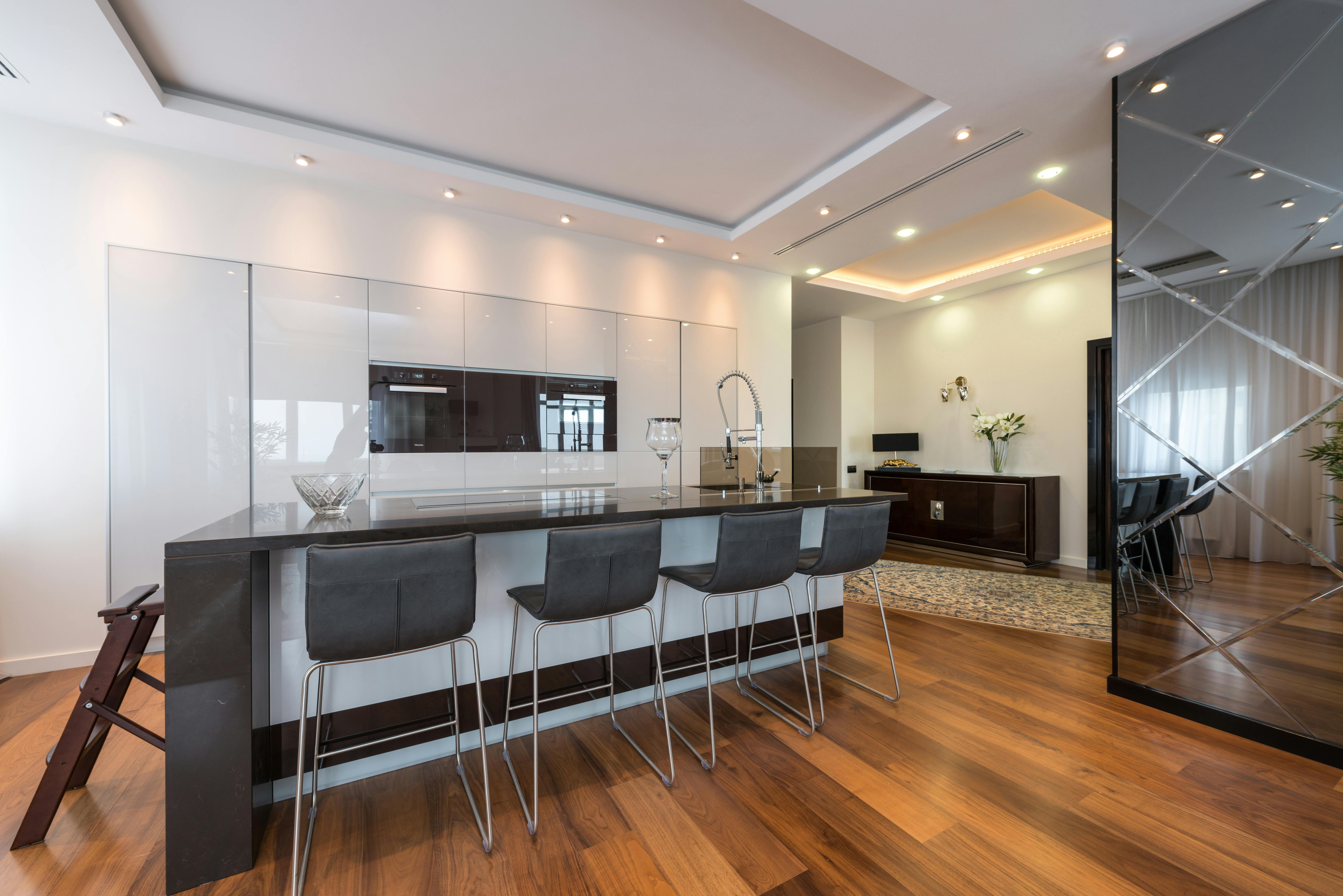
SMD (Surface Mounted Diode) LEDs spread light over a wider area and are what you'll find in most panel and ceiling lights — good general-purpose choice. COB (Chip on Board) LEDs pack many diodes into a small area, producing a brighter, more focused beam, which is why they show up in downlights and spotlights that need punch in a small footprint.
Check these before you buy
Look for a BIS/ISI mark — it means the product has passed Indian safety standards. If you plan to use a dimmer switch, confirm the bulb is explicitly listed as dimmable; a non-dimmable LED on a dimmer circuit will flicker or fail early. And a CRI (Colour Rendering Index) above 80 means colours in the room will look natural rather than washed out.
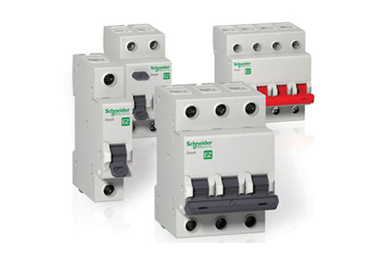
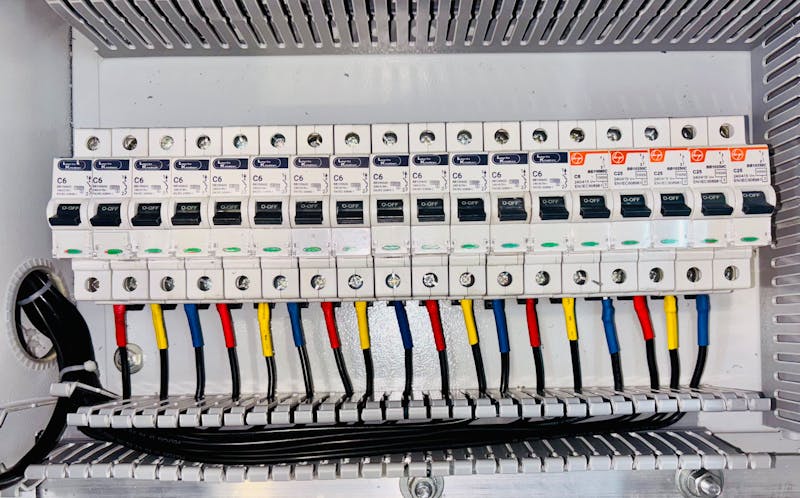
If you're re-lighting more than a couple of rooms, it's worth having someone check your existing switchboard load before you commit — bring in your requirement and we'll help you shortlist fittings that fit both the room and the circuit.
Have a related job in mind?
Tell us what you need and we'll quote it.